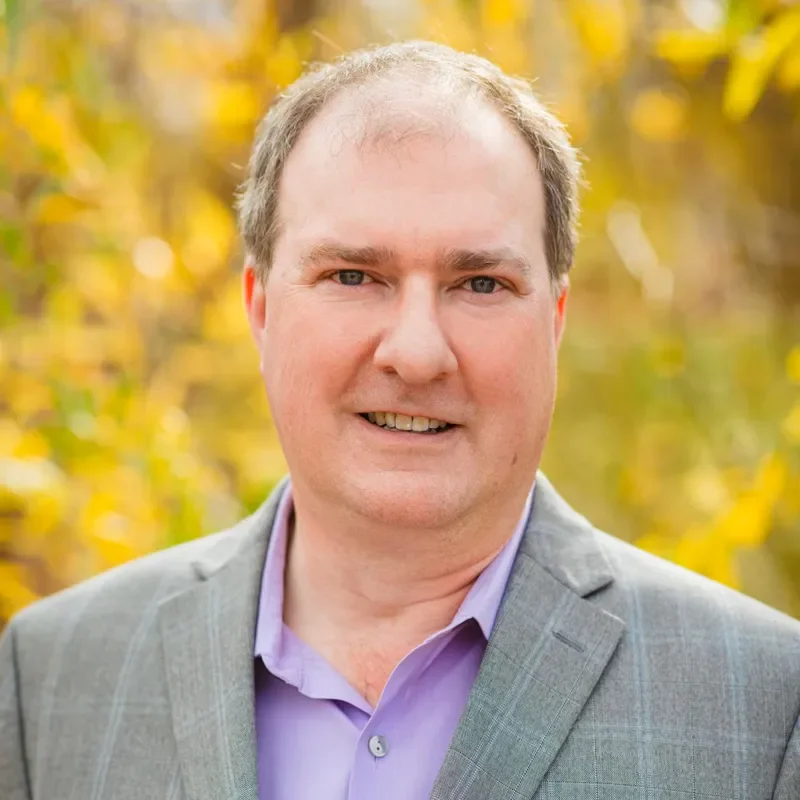
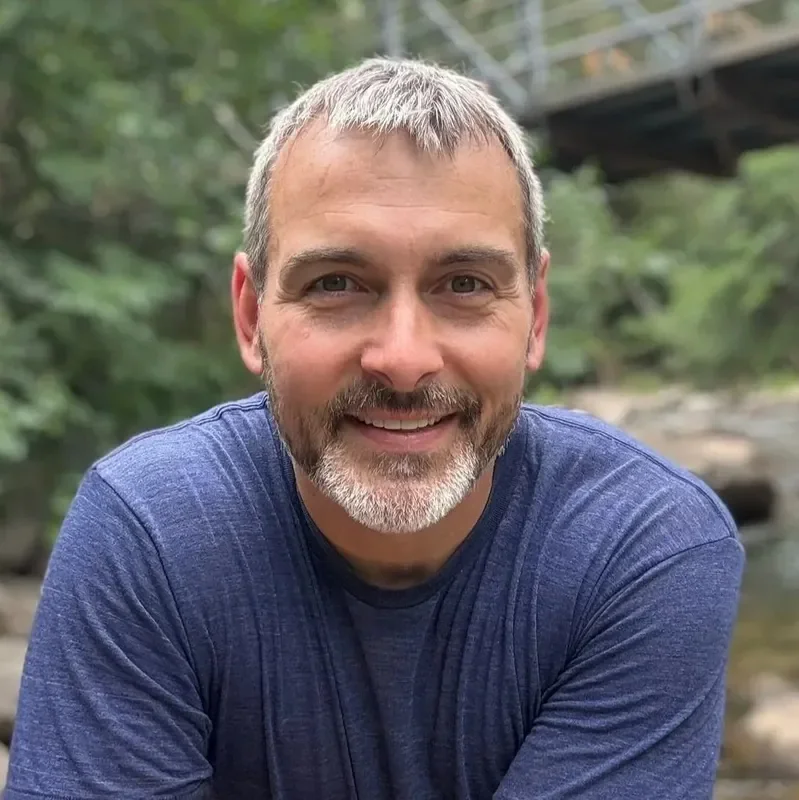
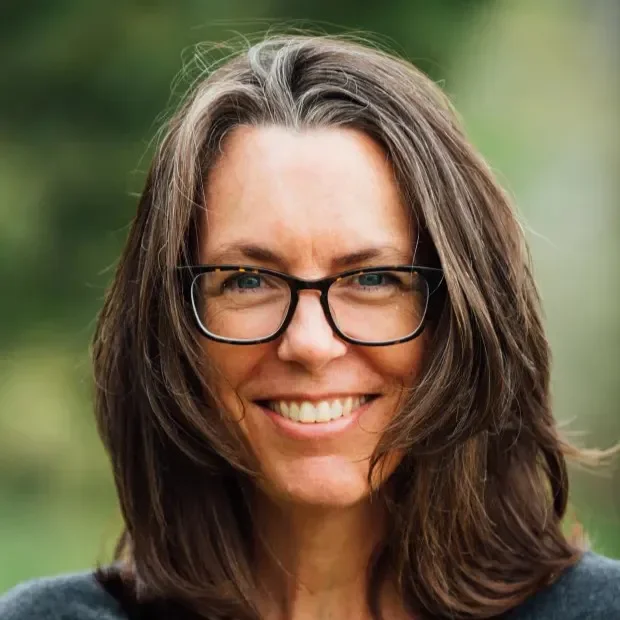
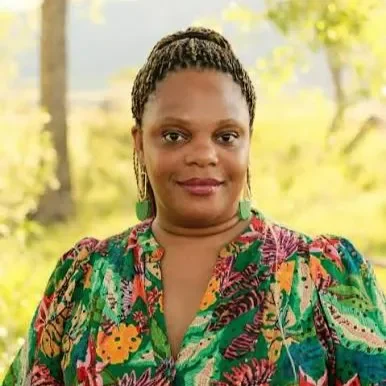
2026 Primary Voter Guide – Boulder Progressives
Boulder Progressives 2026 Primary Election Endorsements

Boulder Progressives
Voter Guide

Boulder Progressives endorses leaders who don't just speak the language of progress — they live it. We're proud to stand behind candidates taking bold action on housing affordability, climate justice, and racial equity.

🗳 Primary Election Day: June 30, 2026

U.S. Senate

Julie Gonzales

U.S. Senate
Endorsed
Julie Gonzales, candidate for U.S. Senate (Colorado)
"I've spent my life organizing communities who have often been either taken for granted, or not taken into consideration at all by the establishment of the Democratic Party."

Boulder Progressives is proud to endorse Julie Gonzales for U.S. Senate. A proven legislator and longtime community organizer, Julie has delivered landmark wins in the Colorado Senate on affordable housing, reproductive freedom, immigrant protections, and voting rights. If elected, she would make history as the first woman and first Latina to serve as U.S. Senator from Colorado — and we believe she is exactly the bold, people-powered leader this moment demands.

Will you prioritize voting rights protections and filibuster reform?
I was proud to be a prime sponsor of the Colorado Voting Rights Act (SB25-001), which secures Coloradans' voting rights in the face of federal attacks. As a U.S. Senator, I will advocate for the passage of the John Lewis Voting Rights Act, and will support reform of the filibuster.
How will you protect Colorado people and cities from ICE and CBP?
I grew up along the borderlands of south Texas, and given that firsthand experience of witnessing the militarization of the US Mexico border, I've organized to defend and advance immigrant rights since long before I ever ran for public office. I was a founding member of the national network of United We Dream, and previously served as the director of organizing for the Colorado Immigrant Rights Coalition. In the state legislature, I was the prime sponsor on the bill (SB25-276) that banned local law enforcement's cooperation with ICE until ICE obtains a judicial warrant. ICE is maximizing its policies of cruelty and fear, turning Americans against one another, and outright lying in order to continue justifying endless spending on immigration enforcement, to the tune of billions of dollars annually. To make the madness stop: extract the profit motive from immigration detention and surveillance, restore due process to the immigration system, create pathways to citizenship, pass strict standards on the use-of-force, and ensure that immigrants have access to legal counsel. The agency has no legitimacy left, and the only answer left is to Abolish ICE and build an immigration system for a country that claims to believe in rights, dignity, and the rule of law.
How will you fight for housing affordability at the federal level?
I know firsthand the transformational impact of affordable housing, because I live in an affordable housing unit in Denver myself. I will co-sponsor the ROAD to Housing Act on day one as a U.S. Senator, and have been proud to champion affordable housing legislation in my time in the state legislature, including HB26-1001 (Housing Developments on Qualifying Properties). Colorado needs to invest in affordable housing driven by community needs, not profit margins. I support supercharging affordable housing construction by utilizing HUD to expand community development block grants, because we know that the most expensive aspect of affordable housing construction is often the land itself. Furthermore, I support national rent stabilization, a universal right to counsel for tenants facing eviction, and increasing emergency rental assistance dollars. I'll take on corporate rent-fixing algorithms, predatory practices by landlords, junk fees, and short term rentals that distort the housing market.
What changes would you make to support the continued viability of Social Security?
Every American deserves a dignified retirement. It is absolutely crucial that we secure that future of Social Security. In order to do so, we need to invest less in foreign wars and tax breaks for billionaires, and more in our social safety net.
Should Medicare be expanded, and how would you approach increasing coverage?
First and foremost, my healthcare policy is that we must pass an expanded and improved Medicare for All system; not doing so will continue to shepherd hundreds of billions of dollars into the pockets of insurance corporations that are profiting off of providing substandard coverage to workers and patients. Medicare For All cannot be an eventual solution, it must be an immediate priority for any legislator who recognizes the for-profit healthcare system as an existential threat to the health and wellbeing of every person in our country.
How will you expand the party's appeal to working class voters and address the affordability crisis?
I've spent my life organizing communities who have often been either taken for granted, or not taken into consideration at all by the establishment of the Democratic Party. The way the party should rebuild trust with working class voters is by no longer bowing down to the billionaire donor class, and instead fighting for an economy that works for all of us. I will fight to crack down on monopolies and the rigged system that allows them to consolidate power, tax the rich, and reinvest in our social safety net, including Medicare for All, universal child and elder care, housing, and education. Additionally, a core pillar of my campaign is to build worker power. We need to raise wages, protect the right to organize and collectively bargain, and ensure that the people directly impacted by policies, not merely the wealthy and well-connected, are finally at the table when policies that impact our lives are being contemplated and discussed.

Learn more about Julie here

Noteworthy Endorsements
AFL-CIO Indivisible (National) Indivisible Colorado Action Network Colorado WINS / SEIU Local 105 Working Families Party Our Revolution Sunrise Movement Denver Rocky Mountain Equality Action Fund

Governor's Race

Governor of Colorado

Boulder Progressives is not making an endorsement in the governor's race, although both Phil Weiser and Michael Bennet are candidates we respect and would be honored to work alongside as governor. Both have demonstrated a genuine commitment to the values that matter most to our community.

We do believe this moment calls for a governor who will govern with bold, progressive urgency — one who centers housing affordability, racial equity, climate action, and the full dignity and protection of every Coloradan. We hope our next Governor will rise to that challenge.

Phil Weiser, candidate for Governor of Colorado
The Case for Phil Weiser
"As Governor, I’ll stay on the front lines pushing back on the Trump Administration’s attacks on Coloradans’ rights."

Phil Weiser has deep roots in Boulder, having spent years teaching and leading at CU Law School. As Attorney General he has been an unflinching defender of our LGBTQ community — fighting in court to protect gender-affirming care for trans youth, pushing back against conversion therapy, and standing firm against federal overreach. For voters who want a governor who has shown up for the LGBTQ community not just in words but in the courtroom and in coalition, Phil’s record is one of the strongest in the state.

Support statewide legislation requiring cities to adopt pro-housing policies, even if local governments object? YES
Support penalties or loss of state funding for cities that fail to meet housing production targets? YES
Support strengthening Colorado's labor laws to make it easier for workers to unionize, including sectoral bargaining and stronger protections against employer retaliation? YES
Support extending basic labor protections (minimum wage, unemployment insurance, workers' comp) to gig and contract workers? YES
Support overturning or significantly reforming TABOR to allow Colorado to adequately fund housing, infrastructure, education, and worker protections? YES
Support implementing a graduated income tax in Colorado to reduce the tax burden on lower-income people and require wealthier people to pay a higher share? YES
Oppose laws or policies that criminalize homelessness, such as bans on sleeping outdoors when no adequate shelter is available? YES
Support penalties or loss of state funding for cities that fail to meet housing production targets?
Bennet declined to answer.
Support extending basic labor protections (minimum wage, unemployment insurance, workers' comp) to gig and contract workers?
Bennet declined to answer.
Oppose laws or policies that criminalize homelessness, such as bans on sleeping outdoors when no adequate shelter is available?
Bennet declined to answer.
As governor, how would you balance state leadership on housing affordability with local control over land use?
I will partner with local governments to accelerate approval times for housing development to best-in-country levels. I will work collaboratively with local governments to modernize land use, zoning, and building requirements, and sign into law new policies to lower building costs — including permitting fees, tap fees, and other red tape — especially for affordable rental housing and starter homes.
Which housing policies do you support making mandatory statewide?
Colorado is a large, diverse state, and what works in Denver won't always work in the Western Slope. We need a multipronged solution: prioritizing new construction, preserving existing affordable units, enhancing trade education, lowering building fees, ensuring renter protections, and providing down payment support pathways to first-time homeownership. Any requirements for additional growth must be coupled with adequate infrastructure to accommodate the additional units we need.
Which renter protections do you actively support at the state level?
I pushed for legislation to create a new Fair Housing Unit in my office and for greater enforcement authority to pursue landlords and mobile-home park owners who treat tenants illegally. While open to innovative solutions, I am skeptical of rent-control laws if done improperly, as they can have unintended consequences — but I am a willing participant in any talks to look at all options to increase affordability for Colorado renters.
What will you do to increase public school funding and ensure our public schools are places where all students are safe, represented, and intellectually challenged?
I will reform TABOR so it does not throttle our ability to invest in K-12 education. I will oppose any efforts to privatize public education and will never sign a Long Bill that balances the state budget on the backs of schools, students, and teachers. I will champion legislation to expand student loan forgiveness for teachers, support funding for affordable teacher housing, and get more dollars to school districts dedicated to raising teachers' wages.
Communities are examining the use of FLOCK cameras and mass surveillance, including limits on data sharing with ICE and CBP. What changes do you support?
As Attorney General, I strongly supported and enforced state laws that protect the personal information of Coloradans and prohibit its use for immigration enforcement. As Governor, I will demand that all state agencies comply with these laws. I will not comply with data requests by the federal government that violate Colorado law, and will challenge any such unlawful requests in court — including joining a coalition of states to block mass transfer of Medicaid enrollee data to ICE.
What do you believe are the top three issues facing Coloradans and how do you plan to address them?
First, we must stand strong against this lawless federal administration — as Governor I'll stay on the front lines pushing back on the Trump Administration's attacks on Coloradans' rights. Second, we must chart a path to make Colorado more affordable — housing, healthcare, and childcare have gotten too expensive. Third, our kids should be able to envision a bright future here — at a time when youth are more disconnected than ever, I'll tirelessly work to provide our kids the confidence, skills, and relationships they need to build their futures.
Noteworthy Endorsements
Indivisible Colorado Rocky Mountain Equality Action Fund Nurses for America Colorado Ceasefire PAC Greater Metro Denver Ministerial Alliance Fair Competition Matters
Michael Bennet, candidate for Governor of Colorado
The Case for Michael Bennet
"Colorado can be the best state in America to pursue an education — and the first to ensure every student graduates high school with the skills to earn a living wage."

Michael Bennet has spent his career working across levels of government to build coalitions and deliver real results on issues like public education, clean energy, child care, water, public lands, and more. His deliberative approach is well-suited to this political moment, and his deep policy experience means he comes to the governor’s race with detailed plans. For voters who want a steady, experienced leader, Bennet is worth your consideration.

Support statewide legislation requiring cities to adopt pro-housing policies, even if local governments object? YES
Support penalties or loss of state funding for cities that fail to meet housing production targets? Did not answer
Support strengthening Colorado's labor laws to make it easier for workers to unionize, including sectoral bargaining and stronger protections against employer retaliation? YES
Support extending basic labor protections (minimum wage, unemployment insurance, workers' comp) to gig and contract workers? Did not answer
Support overturning or significantly reforming TABOR to allow Colorado to adequately fund housing, infrastructure, education, and worker protections? YES
Support implementing a graduated income tax in Colorado to reduce the tax burden on lower-income people and require wealthier people to pay a higher share? YES
Oppose laws or policies that criminalize homelessness, such as bans on sleeping outdoors when no adequate shelter is available? Did not answer
As governor, how would you balance state leadership on housing affordability with local control over land use?
Michael has set an ambitious goal that no Coloradan should have to spend more than 30% of their income on housing. He will drive a statewide surge in home construction, bring starter homes back by working with local governments and builders, and expand support for first-time homebuyers. He will require the state to adopt a single, common application for all state housing finance entities, and work to make land available at below-market rates for affordable and workforce housing developments.
Which housing policies do you support making mandatory statewide?
Bennet declined to answer.
Which renter protections do you actively support at the state level?
Bennet declined to answer.
What will you do to increase public school funding and ensure our public schools are places where all students are safe, represented, and intellectually challenged?
Colorado's future depends on our ability to prepare every student to succeed in a rapidly changing economy. Michael's plan will fund public education, pay teachers what they deserve, end the teacher shortage, strengthen early learning, and align education and workforce systems around one clear measure of success: whether Coloradans are earning meaningful wages and building secure futures for their families.
Communities are examining the use of FLOCK cameras and mass surveillance, including limits on data sharing with ICE and CBP. What changes do you support?
Bennet declined to answer.
What do you believe are the top three issues facing Coloradans and how do you plan to address them?
Housing: Michael has outlined detailed plans to build new homes of all types, preserve existing units, reduce red tape, and lower construction costs. Healthcare: Michael has outlined a detailed plan to protect Medicaid access, start a Colorado Public Option, and fight to lower healthcare costs. Education: Michael believes Colorado can be the best state in America to pursue an education — and the first to ensure every student graduates high school with the skills to earn a living wage and join the middle class.
Noteworthy Endorsements
Colorado Professional Fire Fighters IBEW (Intl. Brotherhood of Electrical Workers) UA Plumbers & Pipefitters

U.S. House — Congressional District 2

Joe Neguse ✔

U.S. House,
Congressional District 2
Unopposed
Endorsed
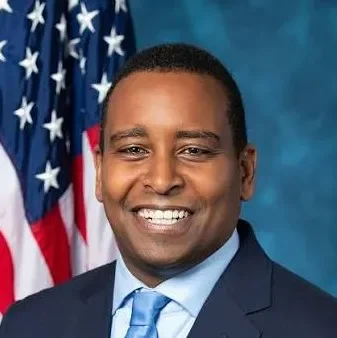
Joe Neguse, U.S. House CD2 (Colorado)

Boulder Progressives is proud to endorse Joe Neguse for re-election to Colorado's 2nd Congressional District. The son of immigrants and the first Black American to represent Colorado in Congress, Joe has spent his career fighting for housing, climate action, voting rights, and the full dignity of every person in our community. At a moment when Congress needs fighters, Joe consistently shows up and delivers.

Noteworthy Endorsements
Steve Fenberg, Former Senate President Sen. Sonya Jaquez Lewis Sen. Judy Amabile Sen. Jessie Danielson Mayor Aaron Brockett (Boulder) Mayor Jeni Arndt (Fort Collins) Ashley Stolzmann, Boulder Co. Commissioner SMART Local 9

Statewide Offices

David Seligman

Colorado Attorney General
Endorsed
David Seligman, candidate for Colorado Attorney General
"The attorney general is the lawyer for the people of Colorado — not for law enforcement agencies."

Boulder Progressives is proud to endorse David Seligman for Colorado Attorney General. Unlike career politicians in this race, David has spent his entire career in the courtroom and on the ground, fighting for workers, renters, and families being squeezed by corporations and billionaires. He brings the legal firepower, the track record, and the values to make the AG's office work for everyday Coloradans — not corporate interests.

What is the AG's role in holding law enforcement accountable, and what steps will you take?
The attorney general is the lawyer for the people of Colorado — not for law enforcement agencies. I want to build a collaborative and mutually respectful relationship with law enforcement, but I'll be crystal clear that my responsibility runs to the people and communities of this state, and I'll use every tool of the office to ensure law enforcement actually advances community safety. First, I'll use the office's pattern or practice authority to hold law enforcement accountable — and I won't limit that to law enforcement alone. That authority was the basis for the AG's consent decree in Aurora — a promising framework, but there's still more work to be done. Unarmed Black men have been killed by Aurora police even since that consent decree came into place, and deep distrust persists. I'll push hard to ensure full enforcement and that the decree doesn't become just paper compliance. Second, I hear concerns about agencies collaborating with ICE. Colorado has a law prohibiting the sharing of personal information with federal immigration authorities, and multiple sheriffs are openly violating it. As Attorney General, I'll hold those agencies accountable — and I've already been doing exactly that. We served the Garfield County Sheriff with a cease and desist for apparent collaboration with ICE. And when Governor Polis violated Colorado's law against sharing personal information with ICE, we sued him — and won. Third, I'll create an Independent Litigation Integrity Unit to end the reflexive 'defend at all costs' approach, conducting independent reviews of cases to recommend early resolution or policy reform where that better serves the people of Colorado. Finally, I'll launch a Surveillance Technologies Strike Force to protect Coloradans from Flock cameras and other surveillance infrastructure that tracks where you drive, what protests you attend, and what church you belong to — feeding data into private AI databases already shared with ICE.
How will you defend Colorado's housing laws and use the office to fight the housing crisis?
I supported the passage of Colorado's pro-density housing laws, and I'll defend them vigorously as Attorney General. I don't find the legal challenges being brought by municipalities and the Colorado Municipal League compelling — these laws represent a straightforward exercise of state authority to address a housing crisis that is crushing working families. But defending these laws is the floor, not the ceiling. The housing crisis isn't just about zoning — it's also about a market rigged against working people by corporate power. Governor Polis was right to push hard for these housing laws, but he was very wrong to veto the bill I drafted to prohibit algorithmic rent-setting software. RealPage and tools like it are how corporate landlords collude to jack up rents without ever sitting in the same room — it's price-fixing, plain and simple. As AG, I'll use every available legal tool to go after algorithmic rent-setting, and I'll keep pushing for legislation. I've already filed one of the first class actions in the country against Greystar — the largest corporate landlord in America — for charging junk fees that deceive renters. As AG, I'll bring big, bold cases challenging consolidation among homebuilders, collusion among homeowners insurers, predatory HOAs, and private equity ownership of housing. Wall Street buying up single-family homes and apartment buildings across Colorado is making the crisis worse, and the AG's office should be leading the charge to stop it.
How will you protect civil rights as the Trump administration pressures Colorado institutions?
Fighting Trumpism means more than filing lawsuits against Donald Trump — though I'm not afraid to do that. It means going after the whole ecosystem of corruption and cruelty that surrounds him: suing ICE officers when they trample our rights, going after contractors who do the administration's dirty work, and blocking mergers of corporations that have bribed this administration for a green light. But it also means holding accountable those who acquiesce to this administration and in doing so break Colorado law. When Trump threatens to cut off funding and universities respond by cutting gender-affirming care for Coloradans — even after courts enjoined those very funding threats — that acquiescence has real victims. Medically necessary care is being denied to Coloradans based on their gender identity. I am deeply concerned that doing so violates Colorado's antidiscrimination law, full stop. I don't want to start from an adversarial posture — these are often organizations facing real federal pressure, and I'll use every tool available to encourage them and make clear what Colorado law requires. But institutions need to understand that by doing Trump's bidding they don't escape legal risk — they just trade one source of it for another. The Attorney General is the lawyer for the people of Colorado, not for its institutions.
What is the AG's responsibility to mitigate AI harms?
This is one of the core reasons I'm running for Attorney General. I'm deeply concerned about how Big Tech and AI systems are hijacking our democracy, our economy, and our kids' brains — and I've spent years in court doing something about it. We just filed a first-in-the-nation class action against an AI company whose platform secretly generates hidden scores on job applicants and feeds them to employers including Microsoft, Morgan Stanley, and Starbucks — without applicants' knowledge or any chance to correct errors. There is no AI exemption to our consumer protection laws, our civil rights laws, our competition laws — and as Attorney General I'll enforce them boldly and aggressively. One of the biggest reasons these Big Tech companies operate with impunity is forced arbitration — the fine print that strips people of their right to a court. We've seen cases where children died by suicide after interacting with AI chatbots, and their families got sent to private arbitration. The AG doesn't face that barrier. I'll be the first AG in the country to announce on day one that if you use forced arbitration to strip Coloradans of their rights, you become our top enforcement priority.
How is the role of attorney general consistent with progressive values?
I hear you — and it breaks my heart. Because this question is a perfect example of how government has failed people. I've spent my entire career watching a legal system that is supposed to work for everyone get weaponized against the people it was meant to protect. I've had clients sitting in jail not because they did anything wrong but because they're poor and can't afford bail. I had a client who was a DoorDash driver — controlled every minute of his day by an algorithm, told exactly where to go and when — but classified as an independent contractor, so when he got sick he lost his income and lost his home. But I've also seen what happens when we use the law in bold and courageous ways alongside the movement for a better future. I tell a story about my client Luis, a shift leader at a Carl's Jr. who hadn't been to a parent-teacher conference in years because his boss kept changing his schedule. We brought the first case in the country challenging those fine-print non-compete traps under the antitrust laws. As a consequence, hundreds of thousands of workers were freed and franchise worker wages in many parts of the country went up by 6%. That's what it means when the law works for people. This office can help build the world we deserve — if we're willing to use the law in bold and creative ways.

Learn more about David here

Noteworthy Endorsements
Julie Gonzales, State Senator Mike Weissman, State Senator Jennifer Bacon, State Rep. Elizabeth Velasco, State Rep. Morgan Carroll, CO Democratic Party Chair Sunrise Movement Denver COLOR Action Fund Moms Demand Action

Amanda Gonzalez

Colorado Secretary of State
Endorsed
Amanda Gonzalez, candidate for Colorado Secretary of State
"Our job is not just to protect the democracy we have — it is to build the democracy people deserve."

Boulder Progressives is proud to endorse Amanda Gonzalez for Colorado Secretary of State. As Jefferson County's Clerk and Recorder and former head of Colorado Common Cause, Amanda has spent her career expanding ballot access, protecting redistricting fairness, and running secure, transparent elections. With democracy under sustained attack, we need a Secretary of State who has been doing this work her whole life — and Amanda is exactly that person.

How will you defend Colorado's elections against attacks from outside actors, including the president?
Colorado's elections are under attack from a coordinated movement that seeks to undermine public trust, restrict access to the ballot, and concentrate power in the hands of politicians instead of voters. I am the only candidate in this race who has actually run elections. In Jefferson County, I oversee elections for more than 425,000 voters and have successfully administered secure, transparent elections with record turnout. I also helped write many of the laws that make Colorado's elections a national model, including reforms that expanded ballot access and strengthened voter participation. If outside actors — including the president or ICE — attempt to interfere, I will use every tool available to defend the constitutional authority of states to administer their own elections. That means fighting unlawful federal overreach in court, protecting voter data and election infrastructure, resisting attempts to restrict mail voting or intimidate election workers, and ensuring that Colorado voters — not politicians in Washington — decide Colorado elections. Colorado has built one of the strongest election systems in the country. I helped build that system, and I'm prepared to defend it.
How can we build confidence in the electoral process for all Coloradans, regardless of party?
Confidence in our elections is built when people know the system is working for them — not just for the powerful, not just for insiders, and not just for one political party. We cannot separate 'election confidence' from voter access. Efforts to make voting harder — through disinformation, voter suppression, attacks on mail voting, or intimidation of election workers — are attacks on public trust itself. As Jefferson County Clerk and Recorder, I've worked to open up the election process instead of hiding it behind closed doors — expanding voter education, strengthening language access, and working directly with communities historically excluded from political power. I helped write laws that expanded ballot access because I believe democracy works best when everyone can participate, not when politicians get to pick and choose their voters. As Secretary of State, I will be unapologetic about protecting voting rights, standing up to election denialism, and pushing back against efforts to undermine confidence for personal or partisan gain.
What measures can improve transparency of LLC and corporate ownership?
For too long, wealthy individuals and corporations have been able to hide behind layers of shell companies and LLCs to avoid accountability, conceal assets, distort our housing market, and influence our economy and politics without meaningful public transparency. We need stronger transparency laws requiring disclosure of beneficial ownership — the real people who ultimately own or control an entity — particularly when LLCs are purchasing property, engaging in large financial transactions, or participating in political spending. Coloradans deserve to know who is buying up housing in their communities and who is attempting to influence public policy. As Clerk and Recorder, I oversee recording services and understand firsthand how ownership structures obscure accountability. The Secretary of State isn't a legislative position, so I won't be able to change the laws myself — but I can advocate for greater accountability and create more transparent systems within the office.
How should Colorado modernize access to election data?
Colorado should have election data systems that reflect the values of transparency, accessibility, and public participation — not systems that feel stuck in the early 2000s. I experienced these barriers firsthand in my own campaign: we chose the \ Secretary of State file because the roughly \,500 cost to access Democratic Party data systems was out of reach. The only reason we made it work is that we happened to have volunteers with deep data expertise. Many grassroots candidates, community organizations, and first-time campaigns don't have that support — and that creates a real equity problem in our democracy. I believe we need to modernize both the technology and the philosophy: create secure, user-friendly digital systems that allow authorized users to access voter data online without mailed paperwork or CD-ROMs, and review the fee structure so cost isn't unnecessarily preventing participation by smaller organizations. Public election data belongs to the public.
Do you support online petition signing at the state level?
I support exploring secure online petition signing at the state level. Too often, civic participation is treated as something that should be difficult or inconvenient. Government should be asking the opposite question: how do we remove barriers while maintaining security and public trust? I was one of the architects of Colorado's automatic voter registration system because I believe government should proactively help eligible people participate in democracy. Online petition signing has the potential to make civic engagement more accessible for working people, young voters, people with disabilities, and rural communities. As Secretary of State, I would work collaboratively with local governments, technologists, cybersecurity experts, and community stakeholders to evaluate how Colorado could responsibly implement secure digital petition access — building on our track record of embracing modernization while maintaining strong security standards.

Learn more about Amanda here

Noteworthy Endorsements
Our Revolution Working Families Party LGBTQ+ Victory Fund LPAC Colorado Education Association Julie Gonzales, State Senator Judy Amabile, State Senator Lindsey Daugherty, State Senator

Jeff Bridges ✔

Colorado State Treasurer
Unopposed
Endorsed
Jeff Bridges, candidate for Colorado State Treasurer

Boulder Progressives is proud to endorse Jeff Bridges for Colorado State Treasurer. As chair of the Joint Budget Committee, Jeff knows Colorado's finances inside and out. He sees the Treasurer's office as a powerful tool to push back against TABOR and put state resources to work for housing, clean energy, and working Coloradans.

Noteworthy Endorsements
Senate President James Coleman Shannon Bird, State Rep. Judy Amabile, State Senator Rachel Zenzinger, Jeffco Commissioner Jerry DiTullio, Jeffco Treasurer SEIU Colorado Every union in the race

Local & Regional Leadership

Junie Joseph ✔

Colorado State House, District 10
Unopposed
Endorsed
Junie Joseph, candidate for Colorado State House District 10

Boulder Progressives is proud to endorse Junie Joseph for re-election to House District 10. Born in Haiti and shaped by years of human rights work around the world, Junie brings both lived experience of what change looks like and a tireless commitment to equity and justice to everything she does for our community. We have been proud to work alongside and support her since she first ran for office.

Noteworthy Endorsements
Gov. Jared Polis House Speaker Julie McCluskie House Majority Leader Monica Duran Mayor Aaron Brockett (Boulder) Nicole Speer, Boulder Mayor Pro Tem Phil Weiser, Attorney General Moms Demand Action Conservation Colorado

Kubs Lalchandani

CU Regent,
Congressional District 2
Endorsed
Kubs Lalchandani, candidate for CU Regent CD2
"CU must comply with the law, but it cannot surrender intellectual independence to shifting bullies."

Boulder Progressives is proud to endorse Kubs Lalchandani for CU Regent in Congressional District 2. Kubs knows firsthand what it means to navigate institutions that weren't built with you in mind. As a person of color who grew up right here in our community, he brings a perspective to this race that is both personal and powerful. He is not afraid to ruffle feathers, fight for what's right, and take on the federal government when it comes after CU's students and values.

Do you support concealed carry on CU campuses? NO
Do you support the right for CU employees to join unions, collectively bargain, and strike? YES
How would you characterize the threats to higher education and what is your theory of change?
Higher education is facing a convergence of historic pressures — financial, political, and technological — that together threaten the core mission of the university. Affordability is the most immediate threat: when costs rise faster than family incomes, higher education only supports the privileged and removes the possibility of social mobility for less advantaged students. Federal funding instability and political interference present real risks: when research dollars are pulled for political leverage, it undermines academic freedom and long-term planning. And AI will transform the workforce in ways that challenge traditional models of instruction. My theory of change: return to core mission, recommit to affordability as a public good, defend institutional independence through litigation and coalition-building when necessary, diversify funding sources to reduce overreliance on any single stream, and adapt intelligently to AI by doubling down on what machines cannot replicate — critical thinking, ethical reasoning, creativity, and civic leadership. Public universities are foundational democratic institutions. They should be accessible, mission-driven, financially responsible, and fiercely independent.
What enemies should CU administrators and regents have the courage to make?
There are several constituencies CU leaders must be willing to challenge. First, any federal actor that attempts to use funding as leverage to dictate ideology or constrain academic freedom. CU must comply with the law, but it cannot surrender intellectual independence to shifting politics — and when government overreach threatens research, teaching, or viewpoint diversity, regents should be prepared to litigate, build coalitions with peer institutions, and defend CU's autonomy. Second, powerful boosters or donors who conflate financial support with governance authority. No donor, corporation, or interest group should shape curriculum, hiring, or research agendas in ways that compromise CU's core mission. Third, internal administrative expansion that drives up costs without advancing instruction or research. If CU faces financial strain, the burden should fall first on administrative excess — not on faculty, frontline staff, or students.
How would you navigate CU's censorship of research proposals and banned words?
Academic freedom is the foundation of any great public university. When CU's President and General Counsel directed removal of public health reports from the College of Nursing and imposed lists of banned words, they crossed a line from stewardship into interference. Science cannot advance if political or reputational considerations dictate which questions may be asked, which words may be used, or which findings may be published. Competitive grant proposals — whether to state, federal, or private funders — must be evaluated on scientific merit and legal compliance, not on whether they align with the politics of the moment. When elected, I would insist on transparent policies that reaffirm faculty control over research and teaching, establish clear guardrails against viewpoint-based censorship, and ensure that any legal compliance review is narrowly tailored and content-neutral.
What is your perspective on collective bargaining at CU?
I support the right of CU employees to organize and engage in collective bargaining. Faculty and staff are the backbone of the University, and they deserve a meaningful voice in working conditions, compensation, and academic freedom. If employees choose to unionize, the process must result in binding agreements — not just shared governance — and as Regent I will support good-faith negotiations and enforceable contracts that respect workers' rights and strengthen CU's core academic mission.
What is your view on Flock cameras and unauthorized surveillance on campus?
In August 2025, the ACLU concluded that Flock audit logs in Denver were searched more than 1,400 times for ICE since June 2024. That is exactly why CU should not work with Flock. Any electronic monitoring of students, faculty, or staff without explicit permission should be prohibited.
What protocols should CU have if ICE comes to campus or student housing?
CU should have a clear, written protocol if ICE attempts to access campus or student housing: require a valid judicial warrant, immediately notify campus counsel and affected individuals, and strictly enforce constitutional protections. As one of very few leaders from a minority background in CU's orbit, I understand the real fear that aggressive immigration enforcement creates in our community. I would also ensure that CU has legal briefs prepared in advance so it can seek injunctive relief immediately if ICE presents on campus.
What are your thoughts on AI in higher education and the role of shared governance?
AI is a tool. Like the internet, calculators, or search engines before it, AI can either enhance education or erode it, depending on how it is implemented. The central purpose of higher education is not content delivery — it is cultivating critical thinking, intellectual discipline, creativity, ethical reasoning, and the capacity to grapple with complexity. Our responsibility is not to shield students from AI, nor bow to it, but to teach students how to use it thoughtfully, transparently, and responsibly. Faculty must lead decisions about how AI is integrated into teaching and research. Shared governance exists precisely to ensure that academic priorities, pedagogical intent, and disciplinary expertise guide CU's choices — regents and administrators should not bypass faculty expertise or sign transformative technology contracts without meaningful consultation. The right question is not whether AI belongs in higher education. It is how we preserve the core mission of higher education with AI in the world.

Learn more about Kubs here

Noteworthy Endorsements
Wanda James, CU Regent Junie Joseph, State Representative Jenn Kaaoush, Superior Town Council Saul Tapia Vega, Mayor of Lafayette Marta Loachamin, Boulder Co. Commissioner Richard Garcia, Boulder Co. Organizer Deep Badhesha, Activist

Jenn Kaaoush ✔

Boulder County Treasurer
Endorsed
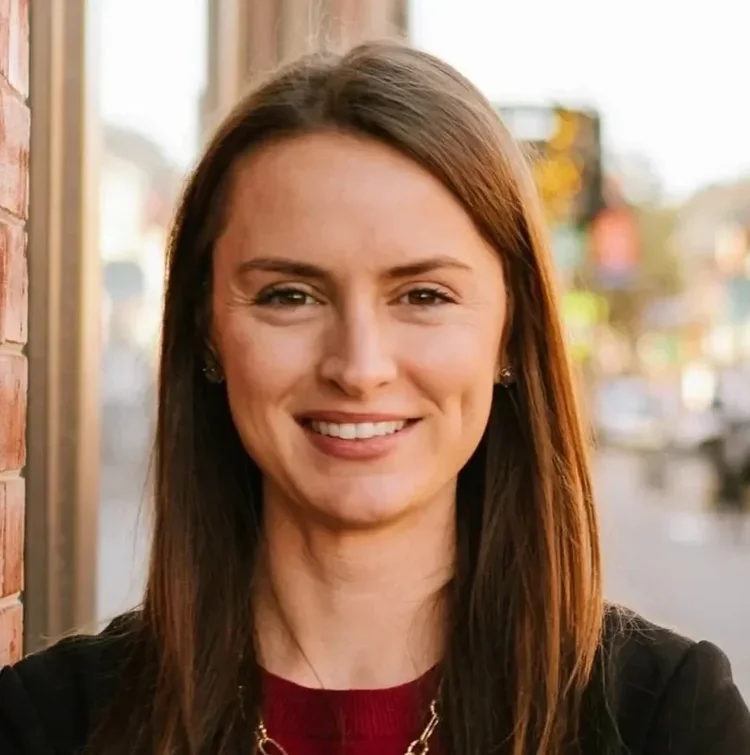
Jenn Kaaoush, candidate for Boulder County Treasurer
"I approach public service through a protector lens — government should help people navigate instability, not deepen it."

Boulder Progressives is proud to endorse Jenn Kaaoush for Boulder County Treasurer. Jenn grew up on food stamps and served her country in the military — she knows firsthand what is at stake when public systems fail the people who depend on them. As a Superior City Councilmember with deep financial expertise, she will bring both the competence and the values Boulder County needs in its next Treasurer.

Your background spans municipal government, diplomacy, and business. How does that prepare you for this role?
While I serve on Town Council now, my operational finance experience was built long before municipal government. As a CEO and as a diplomat and department head overseas in Jordan and Qatar, I managed complex budgets, contracts, staffing, and operations in high-stakes environments where financial decisions had real-world consequences. My municipal experience gave me direct insight into how government impacts residents day to day, but the financial leadership I bring comes from years of executive management and operational finance outside government systems — and I think that combination aligns well with the Treasurer's role, which requires both strong financial stewardship and an understanding of how those decisions affect real people, especially during instability and crisis.
How will you use the Treasurer's office to protect residents facing affordability and housing stress?
When I saw financial harm coming to my community after the Marshall Fire, I didn't just talk about it — I went to Washington to help fix it. I worked alongside residents, attorneys, and lawmakers to help pass a federal wildfire tax bill so survivors would not be taxed on recovery payments. Good public service means identifying harm early and stepping in before everyday people are forced into those fights. While the Treasurer does not create tax policy, I believe the office should play a much stronger role in protecting vulnerable residents through data-driven outreach and prevention. The Treasurer's Office should be tracking foreclosure trends, delinquency patterns, and areas experiencing financial stress — building partnerships with housing organizations, lenders, nonprofits, and financial literacy programs to intervene earlier and keep people housed. I see the office as not just managing money, but using information and relationships to help prevent people from falling into crisis in the first place.
What can the Treasurer do to protect Boulder County's budget from federal instability or retaliation?
This is actually what prompted me to look more deeply at the Treasurer role before deciding to run. I became concerned that Boulder County could become a target for political retaliation from the federal government. The Treasurer cannot control federal policy, but the office has a responsibility to think strategically about protecting public resources and reducing unnecessary exposure to instability. I think the Treasurer should be constantly evaluating the safety and resilience of county investments, and we should explore whether more public dollars can be responsibly invested locally through Colorado-based financial institutions, community banks, and credit unions. The Treasurer's Office should also act as an early warning system — whether it's federal funding volatility, insurance market instability, layoffs, or foreclosure trends, the office has access to financial indicators that can help local governments and residents prepare.
The Treasurer is low-profile. How will you help the public understand what the office does?
One of the biggest opportunities in the Treasurer's Office is public education and transparency. Most people only hear about the Treasurer when something has already gone wrong — a foreclosure or delinquent taxes. By then, the harm is already occurring. In my Council role on the Finance Committee, I started outreach called 'What Do Things Actually Cost?' because I realized many residents had no frame of reference for the real costs of infrastructure and capital projects. The Treasurer also has an important responsibility to act as an early warning system — because the office is so closely connected to the movement of public funds, it often has one of the clearest views into what is actually happening in neighborhoods before it becomes obvious elsewhere.
Noteworthy Endorsements
Wanda James, CU Regent Marta Loachamin, Boulder Co. Commissioner Kenny Van Nguyen, State Rep. Kubs Lalchandani, CU Regent Candidate Deb Gardner, Former Boulder Co. Commissioner Saul Tapia Vega, Mayor of Lafayette Jovita Schiffer, Community Leader

Jack Rosenthal ✔

RTD District O — General Election Endorsement (No Primary)
Endorsed
Jack Rosenthal, candidate for RTD District O
"RTD is a $1.1 billion agency that needs to be a $3 billion agency — and we will never get there without first restoring trust."

Boulder Progressives is proud to endorse Jack Rosenthal for RTD District O. As a daily rider and data analyst, Jack knows this system inside and out and exactly what it will take to fix it. He is not running to maintain the status quo — he is running to bring bold, innovative reforms to an agency that has been letting Boulder County down for decades.

Note: There is no primary contest for RTD. We are glad to endorse Jack for the November 2026 General Election and encourage you to join his team of supporters now!

How do you increase ridership among people who currently don't use transit often or at all?
Many people experience RTD just a few times a year — at the airport, Broncos games, concerts. RTD has fallen short in these areas: airport buses often run full, forcing riders to seek alternatives, and RTD has recently abandoned large crowds at big games and protests. When people don't have a good experience on infrequent occasions, it's hard to imagine relying on RTD for daily commuting. As a transit advocate, I've already fought for policy to remove advertisement wraps that block views and create safety hazards when alighting at night, and helped restore special event services like the BroncosRide. These services will be coming back as early as June 2026. On the Board I will establish a Technology and Customer Experience committee to make sure riders are treated not just as passengers, but as valued customers.
What funding mechanisms should RTD explore to grow its budget?
RTD's 2026 annual operating budget is .113B, with the 1% sales tax providing . Fares make up only — just 5% of operating costs. RTD cannot substantially increase fares without driving away ridership and furthering transportation inequities. But RTD can look at alternative revenue: overnight park-n-ride parking is just /day after the first day — we should be comparing our pricing to other airport parking options. With legislative support, RTD could also provide ground leases on underutilized property for housing projects — a perfect match that creates new revenue, brings people closer to transit, and increases ridership. But ultimately, RTD is a .1B agency that needs to be a agency to actually provide the public transit these 40 municipalities need — and RTD will never get there without first restoring trust in the taxpayer.
How can RTD use existing resources more efficiently, and how do you make riding simpler?
Route L, the bus between Longmont and Denver, exemplifies the challenge. When federal funding expired in 2020, RTD split the route — Longmont to Denver during peak hours, Longmont to Broomfield off-peak, requiring a transfer. Conventional wisdom says frequent service with a connection beats infrequent direct service — but only if the frequency is actually there. The Longmont to Broomfield trips only ran hourly, so if your bus ran late and you missed your connection, you waited another whole hour. That route now has some of the lowest ridership per service hour in the system. The community needed regional connection and was given a route that didn't get them where they needed to go. On technology: RTD has 7 different apps — MyRide, NextRide, Transit Watch, FlexRide, one for Access-a-Ride, and two for Access-on-Demand. Many customers don't use FlexRide because they can't figure out the extra app. I will push to unify these. I'll also restore system-wide printed maps, which RTD eliminated, and push for prominent wayfinding at DIA to make RTD the obvious choice for arriving travelers.
How does Northwest Rail's cost per rider compare to other Boulder County services?
Northwest Rail's Joint Service will connect Denver to Fort Collins, with stops in Westminster, Broomfield, Louisville, Boulder, Longmont, and Loveland — serving communities RTD has never reached with transit. Rail moves far more people per trip: a 45-foot coach bus seats 55, while a full train carries upwards of 1,000 passengers with only two crew members. Joint Service is also cost-effective: it relies on existing BNSF rail rather than building new infrastructure. If voters approve Front Range Passenger Rail, the route can extend south to Pueblo. The actual cost per boarding depends on an access agreement with BNSF currently under negotiation — BNSF has been running less freight than before and has shown real interest in passenger service.
Will you support transit-oriented development on RTD-owned land?
Yes. Ground leases give RTD a voice in design — enabling RTD to specify the number of parking spaces per unit, and create space on the property for transit use such as indoor waiting areas with access to shops. This approach provides RTD a new revenue stream, brings people closer to transit by creating housing where buses and trains already run, and when done well, directly increases ridership. I briefly mentioned this under funding, but want to highlight that ground leases preserve RTD's long-term interest in the land while still enabling housing development — a meaningful distinction from simply selling off property.
Noteworthy Endorsements
Julie Gonzales, State Senator Judy Amabile, State Senator Junie Joseph, State Representative Michael Dougherty, Boulder Co. DA ATU Local 1001 (Transit Workers Union) Run for Something GDT 314 Action Fund

Ready to Vote?

Primary Election Day is June 30, 2026. Not sure how to vote, or missing your ballot?
We have you covered.

Voter Information Page